


The Critical Role of Shoring in Trench Safety Training


Why practical trench support training matters in real excavation environments
Workers don’t get injured because they lack paperwork — they get injured because they don’t fully understand the trench systems being used onsite.
Trenching and excavation remain among the highest-risk activities in civil construction, with trench collapse incidents continuing to cause serious injuries and fatalities across Australia.
Ground instability, underground services, confined work areas and inadequate trench protection create hazards that require both technical knowledge and practical competency.
For workers involved in excavation activities, understanding trench support systems is not optional — it is critical to staying safe onsite.
That is why practical, hands-on trench support training matters.
Who Should Complete RIICCM210E – Install Trench Support?
This training is suitable for:
- Excavator operators
- Pipe layers
- Civil labourers
- Utility workers
- Water and sewer crews
- Rail infrastructure workers
- Supervisors and leading hands
- Infrastructure and pipeline workers
- Anyone working in or around excavations

Why Shoring Knowledge Matters Beyond the Classroom
Under Australian WHS Regulations, excavations deeper than 1.5 metres are classified as high-risk construction work.
Before workers enter an excavation, trench support systems may need to be installed to control the risk of collapse and ground movement.
A Safe Work Method Statement (SWMS) is generally required before excavation activities commence.
However, compliance knowledge alone does not prepare workers for real site conditions.
Workers also need to understand:
- How soil conditions affect trench stability
- How trench support systems are selected
- How to safely install and remove trench protection systems
- Trench access and egress requirements
- Inspection requirements
- Rescue planning considerations
- How excavation hazards change during works
This is why Pipeline Training’s RIICCM210E course places strong emphasis on practical hands-on training within real excavation environments.

Training That Reflects Real Site Conditions
Many trench incidents occur because workers are unfamiliar with the trench systems being used onsite.
Practical training using real trench support systems helps workers develop familiarity with:
- trench shields
- trench boxes
- edge protection systems
- excavation access systems
- davit rescue systems
- trench setup requirements
- excavation hazard controls
This practical exposure helps bridge the gap between certification and real-world site readiness.
Industry Supported Practical Training
Pipeline Training works alongside industry suppliers and trench safety specialists such as Legend Hire to help ensure participants gain exposure to trench safety systems commonly encountered throughout Australian civil construction projects.
Legend Hire supplies engineered trench safety systems and temporary works equipment used across utilities, civil construction, infrastructure and pipeline projects throughout Australia.
This helps ensure training reflects real industry conditions rather than purely classroom-based theory.
Trench Shoring Boxes

The trench shoring box remains one of the most widely used excavation protection systems throughout the Australian civil construction industry.
A trench box creates a protected working area within the excavation to help shield workers from trench wall movement and collapse.
Workers completing RIICCM210E may gain practical exposure to:
- Aluminium trench boxes
- Steel trench shields
- Modular trench support systems
- Trench access platforms
- Edge protection systems
Training focuses on:
- system selection
- installation procedures
- advancement techniques
- safe removal procedures
- inspection requirements
Book Now

Davit Arm and Rescue Systems
Before workers enter deep or confined trench environments, rescue capability and emergency planning must be considered.
Davit arm systems and rescue winches may be used to provide:
- fall arrest capability
- confined space retrieval
- assisted rescue
- controlled worker access
Participants completing RIICCM210E gain awareness of emergency response considerations relevant to trench and excavation activities.

Why Practical Training Makes a Difference
Many trench support courses focus heavily on classroom theory with limited practical exposure.
Pipeline Training focuses strongly on practical competency development using real excavation environments and industry trench support systems.
This practical approach helps workers:
- develop confidence
- understand real site conditions
- improve hazard awareness
- improve compliance understanding
- transition more effectively into live worksites
Employers increasingly value workers who are capable of safely working around trench support systems from day one.

Why Choose Pipeline Training?
✔ Practical hands-on training
✔ Real excavation environments
✔ Trainers with civil construction experience
✔ Industry-relevant trench safety systems
✔ Nationally recognised training
✔ Flexible onsite delivery options
✔ Contextualised training available for utilities, rail and infrastructure projects
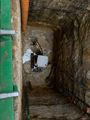
Supporting Safer Worksites
Practical trench support training helps support:
- safer excavation practices
- improved worker awareness
- reduced trench collapse risk
- improved site compliance
- improved worker competency
- safer excavation planning
Training that reflects real site conditions helps improve both safety outcomes and workforce readiness.
Flexible Delivery Options
Pipeline Training delivers RIICCM210E in multiple delivery formats including:
Face-to-Face Training
Complete practical training and assessment delivered in-person.
Onsite Group Training
Training may be delivered onsite for organisations subject to suitable excavation environments and facilities being available.
Enrol in RIICCM210E – Install Trench Support
Pipeline Training delivers practical trench support training using real excavation environments and industry trench safety systems commonly used throughout Australian civil construction projects.
Group bookings and onsite delivery available.
Contact Pipeline Training today to discuss:
- Upcoming course dates
- Onsite delivery
- Group bookings
- Contextualised industry training
Book Now
Industry References

Training.gov.au


Pipeline Training

Code of Practice

Install Trench Support
