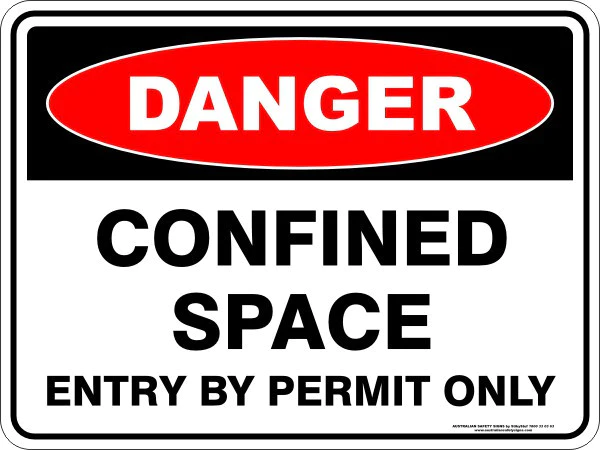


Navigating Confined Space Entry Permit Requirements: A Comprehensive Guide

Introduction:
Confined spaces present unique challenges and hazards that require careful planning and execution to ensure the safety of workers. As such, confined space entry permits are essential documents that outline the necessary precautions and procedures for safely working in these environments. In this blog, we'll explore the requirements for confined space entry permits and the steps involved in obtaining and implementing them effectively.
Understanding Confined Spaces:
Before diving into permit requirements, let's first define what constitutes a confined space. Confined spaces are areas with limited entry and exit points and are not designed for continuous occupancy. Examples include storage tanks, sewers, silos, and utility vaults. These spaces may pose hazards such as poor ventilation, toxic gases, engulfment, and restricted movement, making them potentially dangerous for workers.
Confined Space Entry Permit Requirements:
-
Identification and Assessment: The first step in obtaining a confined space entry permit is to identify and assess the confined space. This involves determining the hazards present, evaluating the need for entry, and assessing the risks to workers.
-
Written Permit: A written confined space entry permit must be obtained before entering the confined space. This document outlines the specific tasks to be performed, the precautions to be taken, and the personnel responsible for carrying out the work.
-
Hazard Control Measures: The permit should detail the hazard control measures to be implemented before, during, and after entry into the confined space. This may include ventilation, atmospheric monitoring, lockout/tagout procedures, and personal protective equipment (PPE) requirements.
-
Training and Competency: Workers involved in confined space entry must receive appropriate training and demonstrate competency in the hazards associated with confined spaces, as well as the use of safety equipment and emergency procedures.
-
Communication and Coordination: Effective communication and coordination among workers, supervisors, and other stakeholders are critical for safe confined space entry. This includes establishing clear roles and responsibilities, implementing a buddy system, and maintaining constant communication throughout the entry process.
-
Rescue and Emergency Response: A comprehensive rescue plan must be in place before entering a confined space, including procedures for evacuating workers in the event of an emergency. This may involve onsite rescue teams, emergency response equipment, and communication protocols with external emergency services.
-
Permit Issuance and Authorization: Only authorized personnel should issue confined space entry permits, and workers must obtain approval from a competent authority before entering the confined space. Permit duration should be limited to the duration of the work, and permits must be revoked if conditions change or hazards arise during entry.
Conclusion:
Confined space entry permits play a crucial role in ensuring the safety of workers when working in confined spaces. By following the requirements outlined in this guide and implementing effective permit systems, organizations can minimize the risks associated with confined space entry and protect the health and well-being of their workers. Remember, safety should always be the top priority when working in confined spaces, and proper planning and preparation are essential for a successful entry operation.
Call us today!:
Call us on (02) 9679 0066